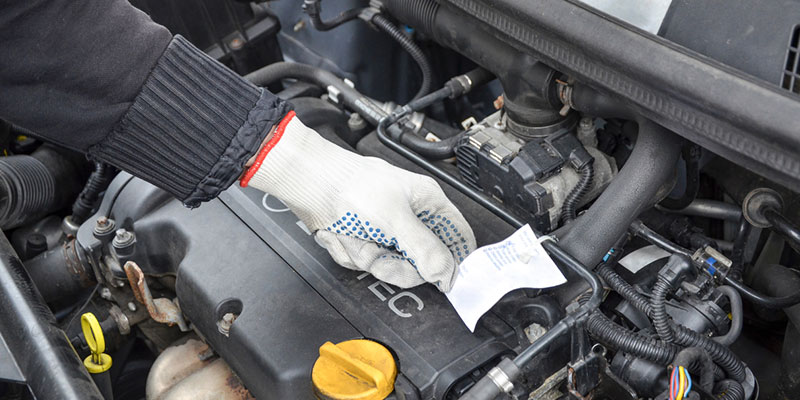
Vehicle Maintenance & Servicing: The Complete Guide to Keeping Your Vehicle Reliable, Safe, and Efficient
Vehicle maintenance and servicing are essential responsibilities for every vehicle owner. A well-maintained vehicle not only delivers better performance and fuel efficiency but also ensures safety, reliability, and long-term cost savings. Ignoring regular maintenance can lead to unexpected breakdowns, expensive repairs, and even serious safety risks.
In today’s fast-paced world, vehicles play a crucial role in daily life—whether for commuting, business, travel, or family needs. This comprehensive guide explores the importance of vehicle maintenance and servicing, key maintenance tasks, service schedules, modern automotive technology, and best practices to keep your vehicle in excellent condition.
Understanding Vehicle Maintenance & Servicing
What Is Vehicle Maintenance?
Vehicle maintenance refers to routine checks and minor repairs performed to keep a vehicle running smoothly. These tasks are usually preventive and are carried out regularly.
What Is Vehicle Servicing?
Vehicle servicing is a more comprehensive process performed by professionals. It includes inspection, diagnostics, repairs, and replacement of worn components according to manufacturer recommendations.
Both maintenance and servicing work together to extend vehicle lifespan and ensure optimal performance.
Why Vehicle Maintenance Is Important
Regular vehicle maintenance offers multiple benefits:
-
Improves safety for drivers and passengers
-
Enhances fuel efficiency
-
Prevents costly breakdowns
-
Extends engine and component lifespan
-
Maintains resale value
-
Ensures smooth and reliable performance
Neglecting maintenance often leads to larger mechanical failures that could have been avoided with simple checks.
Essential Vehicle Maintenance Tasks
Engine Oil & Filter Changes
Engine oil lubricates moving parts, reduces friction, and controls engine temperature.
Why it matters:
-
Prevents engine wear
-
Improves performance
-
Extends engine life
Oil should be changed according to manufacturer guidelines, typically every few thousand kilometers or months.
Tire Maintenance & Wheel Care
Tires directly affect handling, braking, and fuel economy.
Key tire care practices include:
-
Checking tire pressure regularly
-
Rotating tires
-
Inspecting tread depth
-
Wheel alignment and balancing
Proper tire maintenance improves road grip and driving comfort.
Brake System Maintenance
Brakes are one of the most critical safety components.
Brake maintenance includes:
-
Inspecting brake pads and discs
-
Checking brake fluid levels
-
Listening for unusual noises
Timely brake servicing ensures reliable stopping power and prevents accidents.
Battery Inspection & Replacement
The vehicle battery powers electrical systems and engine startup.
Maintenance tips:
-
Check battery terminals for corrosion
-
Ensure proper charge levels
-
Replace old or weak batteries
A failing battery can leave you stranded unexpectedly.
Fluid Checks & Replacement
Vehicles rely on various fluids to function correctly.
Important fluids include:
-
Coolant
-
Transmission fluid
-
Brake fluid
-
Power steering fluid
-
Windshield washer fluid
Low or contaminated fluids can damage critical systems.
Air Filters & Cabin Filters
Clean air filters improve engine efficiency and interior air quality.
Benefits include:
-
Better fuel economy
-
Cleaner engine operation
-
Improved passenger comfort
Filters should be inspected and replaced periodically.
Scheduled Vehicle Servicing
Following a service schedule helps identify issues early.
Types of Vehicle Services
Minor Service
-
Oil change
-
Basic inspections
-
Fluid top-ups
Major Service
-
Full system inspection
-
Replacement of filters and fluids
-
Brake and suspension checks
Manufacturer-Recommended Service
-
Follows the vehicle’s service manual
-
Ensures warranty compliance
Regular servicing keeps vehicles in peak condition.
Preventive vs Corrective Maintenance
Preventive Maintenance
-
Regular inspections
-
Scheduled servicing
-
Early problem detection
Corrective Maintenance
-
Repairs after failure
-
Component replacement due to damage
Preventive maintenance is always more cost-effective than corrective repairs.
Seasonal Vehicle Maintenance
Vehicles require different care depending on weather conditions.
Summer Maintenance
-
Cooling system checks
-
Air conditioning servicing
-
Tire pressure adjustment
Winter Maintenance
-
Battery testing
-
Brake inspections
-
Tire tread and traction checks
Seasonal preparation ensures safe driving year-round.
Modern Vehicle Technology & Diagnostics
Modern vehicles are equipped with advanced electronics.
Key developments include:
-
On-board diagnostics (OBD systems)
-
Sensor-based monitoring
-
Digital service alerts
Professional diagnostics help technicians detect issues accurately and quickly.
DIY Maintenance vs Professional Servicing
DIY Maintenance
Suitable for:
-
Checking fluids
-
Replacing wiper blades
-
Monitoring tire pressure
Professional Servicing
Required for:
-
Engine repairs
-
Brake system servicing
-
Transmission issues
-
Electrical diagnostics
Knowing when to seek professional help prevents costly mistakes.
Choosing a Reliable Service Center
Selecting the right service provider is essential.
Look for:
-
Certified technicians
-
Transparent pricing
-
Quality parts
-
Positive customer reviews
A trustworthy service center protects your vehicle and budget.
Common Vehicle Maintenance Mistakes
Avoid these common errors:
-
Skipping regular oil changes
-
Ignoring warning lights
-
Using incorrect fluids
-
Overlooking tire maintenance
-
Delaying small repairs
Addressing issues early saves money and improves safety.
Cost Benefits of Regular Maintenance
Although maintenance involves costs, it prevents larger expenses.
Long-term benefits include:
-
Fewer breakdowns
-
Reduced repair bills
-
Higher resale value
-
Better fuel efficiency
Maintenance is an investment in reliability.
Environmental Impact of Vehicle Maintenance
Well-maintained vehicles are more environmentally friendly.
Benefits include:
-
Lower emissions
-
Better fuel efficiency
-
Reduced oil and fluid leaks
Proper servicing contributes to environmental sustainability.
Vehicle Maintenance for Different Vehicle Types
Passenger Cars
-
Focus on comfort, fuel efficiency, and safety
Commercial Vehicles
-
Emphasis on durability and uptime
Electric & Hybrid Vehicles
-
Battery health monitoring
-
Software updates
-
Reduced mechanical servicing
Each vehicle type requires tailored maintenance.
Building a Vehicle Maintenance Routine
A simple routine includes:
-
Weekly visual checks
-
Monthly fluid inspections
-
Seasonal servicing
-
Annual comprehensive checkups
Consistency ensures long-term reliability.
Future of Vehicle Maintenance & Servicing
Automotive maintenance continues to evolve.
Emerging trends include:
-
Predictive maintenance using AI
-
Remote diagnostics
-
Smart vehicle monitoring
-
Electric vehicle service specialization
Staying informed helps vehicle owners adapt to new technologies.