Auto Parts, Tools & Accessories: A Complete Guide for Vehicle Owners and Automotive Enthusiasts
The automotive world is built on precision, performance, and reliability. Behind every smooth drive, safe journey, and powerful engine lies a well-selected combination of auto parts, tools, and accessories. Whether you are a daily driver, car enthusiast, professional mechanic, or DIY vehicle owner, understanding automotive components and equipment is essential for maintaining vehicle health, safety, and efficiency.
In today’s modern automotive landscape, vehicles are more advanced than ever. From traditional mechanical systems to smart electronics and performance upgrades, knowing the right parts, tools, and accessories helps extend vehicle lifespan, improve driving comfort, and reduce long-term repair costs. This comprehensive guide explores everything you need to know about auto parts, automotive tools, and essential accessories.
Understanding Auto Parts: The Backbone of Every Vehicle
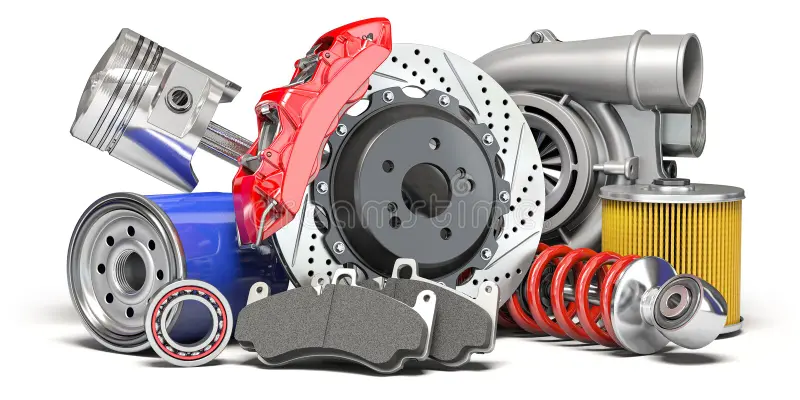
Auto parts are the individual components that make a vehicle function properly. Each part plays a specific role in ensuring performance, safety, and comfort.
Types of Auto Parts
Auto parts can generally be divided into three main categories:
Mechanical Parts
These are the core components that keep the vehicle running.
Examples include:
-
Engine components
-
Transmission systems
-
Braking systems
-
Suspension parts
-
Steering components
Mechanical parts are responsible for power generation, motion control, and safety.
Electrical & Electronic Parts
Modern vehicles rely heavily on electronics.
Key electrical components include:
-
Batteries
-
Alternators
-
Starters
-
Sensors
-
Control modules
These parts control ignition, lighting, infotainment, and advanced safety features.
Body & Exterior Parts
These parts protect the vehicle and enhance appearance.
Examples include:
-
Bumpers
-
Doors
-
Mirrors
-
Headlights
-
Windshields
Exterior parts contribute to aerodynamics, safety, and aesthetics.
OEM vs Aftermarket Auto Parts
Choosing the right type of auto part is crucial.
OEM (Original Equipment Manufacturer) Parts
-
Made by the vehicle manufacturer
-
Guaranteed compatibility
-
Higher cost
-
Reliable quality
Aftermarket Parts
-
Produced by third-party manufacturers
-
Often more affordable
-
Wide variety of options
-
Quality varies by brand
Both options have advantages depending on budget, performance goals, and vehicle use.
Performance vs Replacement Auto Parts
Replacement Parts
These restore the vehicle to its original condition.
-
Brake pads
-
Filters
-
Belts
-
Spark plugs
Performance Parts
Designed to enhance speed, power, or handling.
-
Performance exhaust systems
-
Cold air intakes
-
Suspension upgrades
-
Engine tuning components
Performance parts appeal to enthusiasts seeking improved driving dynamics.
Automotive Tools: Essential Equipment for Maintenance & Repair
Automotive tools make it possible to install, remove, diagnose, and maintain auto parts correctly.
Basic Hand Tools
Every vehicle owner should have basic tools.
Essential hand tools include:
-
Wrenches
-
Screwdrivers
-
Pliers
-
Socket sets
-
Hammers
These tools are ideal for minor repairs and routine maintenance.
Power Tools
Power tools increase efficiency and accuracy.
Common power tools include:
-
Impact wrenches
-
Electric drills
-
Air compressors
-
Grinders
They are especially useful in professional workshops.
Diagnostic Tools
Modern vehicles require electronic diagnostics.
Popular diagnostic tools include:
-
OBD-II scanners
-
Multimeters
-
Code readers
-
Battery testers
These tools help identify issues quickly and accurately.
Specialty Automotive Tools
Some repairs require specialized tools.
Examples include:
-
Torque wrenches
-
Brake caliper tools
-
Timing belt tools
-
Engine hoists
Specialty tools ensure safety and precision during complex tasks.
Vehicle Accessories: Enhancing Comfort, Safety & Style
Automotive accessories add functionality and personalization to vehicles.
Interior Accessories
Designed for comfort and convenience.
Popular interior accessories include:
-
Seat covers
-
Floor mats
-
Steering wheel covers
-
Phone holders
-
Dashboard organizers
These accessories improve driving comfort and protect interiors.
Exterior Accessories
Enhance vehicle appearance and utility.
Examples include:
-
Roof racks
-
Car covers
-
Mud flaps
-
Side steps
-
Spoilers
Exterior accessories also support outdoor and adventure travel.
Safety Accessories
Safety accessories provide additional protection.
Important safety accessories include:
-
Dash cameras
-
Blind spot mirrors
-
Emergency kits
-
Fire extinguishers
-
Tire inflators
Safety accessories are essential for emergency preparedness.
Performance & Lifestyle Accessories
These accessories enhance driving experience.
Examples include:
-
LED lighting kits
-
Custom wheels
-
Exhaust tips
-
Sound systems
They allow owners to customize vehicles to match personal style.
Importance of Quality Auto Parts & Tools
Using high-quality components and tools ensures:
-
Vehicle safety
-
Long-term durability
-
Better performance
-
Reduced breakdown risks
-
Lower maintenance costs
Low-quality parts may save money initially but often lead to higher repair costs later.
How to Choose the Right Auto Parts
When selecting auto parts, consider:
-
Vehicle make and model
-
Compatibility
-
Warranty coverage
-
Brand reputation
-
Reviews and ratings
Always verify part numbers and specifications before purchasing.
Maintenance Tools Every Car Owner Should Have
Basic maintenance tools allow vehicle owners to handle routine tasks.
Recommended tools include:
-
Jack and jack stands
-
Tire pressure gauge
-
Oil filter wrench
-
Battery jumper cables
-
Funnel and fluid containers
These tools support basic vehicle care and emergency situations.
DIY Automotive Repairs: Benefits & Limitations
Benefits
-
Cost savings
-
Better vehicle knowledge
-
Immediate solutions
-
Skill development
Limitations
-
Time-consuming
-
Risk of mistakes
-
Need for proper tools
-
Limited to basic repairs
Complex repairs should always be handled by professionals.
Role of Accessories in Modern Vehicles
Accessories are no longer optional extras—they enhance safety, functionality, and user experience.
Modern accessories support:
-
Smart connectivity
-
Navigation assistance
-
Driving comfort
-
Security systems
Well-chosen accessories increase vehicle value and usability.
Automotive Tools for Professional Mechanics
Professional workshops require advanced equipment.
Examples include:
-
Hydraulic lifts
-
Advanced diagnostic systems
-
Alignment machines
-
Brake lathes
Professional tools ensure accurate, efficient, and safe repairs.
Environmental Considerations in Auto Parts
Sustainability is becoming important in the automotive industry.
Eco-friendly practices include:
-
Recycling auto parts
-
Using energy-efficient components
-
Choosing low-emission accessories
-
Proper disposal of fluids and batteries
Responsible choices reduce environmental impact.
Trends in Auto Parts & Accessories
The automotive market is evolving rapidly.
Current trends include:
-
Smart diagnostic tools
-
Electric vehicle components
-
Lightweight materials
-
Digital dashboards
-
AI-assisted vehicle systems
Staying informed helps vehicle owners adapt to future technologies.
Auto Parts & Accessories for Electric Vehicles
Electric vehicles require specialized components.
Key EV parts include:
-
Battery packs
-
Charging systems
-
Power electronics
-
Regenerative braking components
EV accessories focus on charging convenience and efficiency.
Safety Standards & Regulations
Auto parts and tools must meet safety standards.
Always ensure:
-
Certified parts
-
Approved tools
-
Compliance with local regulations
-
Manufacturer guidelines
Safety compliance protects both vehicles and passengers.
Cost Management & Smart Purchasing
To manage automotive expenses:
-
Compare prices
-
Buy from trusted suppliers
-
Avoid unnecessary upgrades
-
Maintain parts regularly
Smart purchasing reduces long-term ownership costs.
Importance of Proper Installation
Even high-quality parts fail if installed incorrectly.
Proper installation ensures:
-
Optimal performance
-
Safety
-
Warranty protection
-
Reduced risk of damage
When unsure, seek professional installation.
Auto Parts Storage & Organization
Proper storage extends tool and part lifespan.
Tips include:
-
Clean tools after use
-
Store parts in labeled containers
-
Protect from moisture
-
Maintain inventory
Organization saves time and prevents damage.
Education & Knowledge in Automotive Care
Understanding automotive systems empowers owners.
Learning about:
-
Vehicle manuals
-
Maintenance schedules
-
Tool usage
-
Part functions
Leads to better decision-making and reduced costs.